Two acronyms dominate the metabolic-peptide conversation: GLP-1 and GIP. They name the incretin receptors that the most-studied research compounds are designed to engage, and understanding them is the key to making sense of the whole single-, dual-, and triple-agonist family. This explainer breaks down what GLP-1 and GIP are, how agonist compounds engage them, and where each research compound sits — all framed for laboratory study.
Key takeaways
- 1.GLP-1 and GIP are incretin receptors involved in glucose handling and energy-balance signaling.
- 2.An agonist is a molecule that binds a receptor and activates it; incretin agonists are engineered to do this.
- 3.Compounds are grouped by receptor coverage: single (GLP-1), dual (GLP-1 + GIP), and triple (adds glucagon).
- 4.All of these are research compounds supplied for in-vitro laboratory use only.
What are GLP-1 and GIP?
GLP-1 (glucagon-like peptide-1) and GIP (glucose-dependent insulinotropic polypeptide) are incretins — gut-derived hormone signals released in response to food that participate in glucose handling and energy-balance signaling. Each acts through its own receptor, and those receptors are the targets that metabolic research compounds are designed around.
The reason these two names appear everywhere is that they define the incretin system, and the incretin system is where the most active area of metabolic peptide research is concentrated. Learn what GLP-1 and GIP receptors are and the rest of the vocabulary falls into place.
What does 'agonist' mean?
In pharmacology, a receptor is like a lock and a signaling molecule is like a key. An agonist is a molecule that fits the lock and turns it — it binds a receptor and activates it, producing the downstream signal. So a "GLP-1 receptor agonist" is a compound engineered to bind and activate the GLP-1 receptor.
This is the concept that ties the whole family together. The research compounds in this space are agonists; what distinguishes them is how many of the incretin (and related) receptors a single molecule is designed to activate at once.
An agonist binds a receptor and switches it on. The whole metabolic-peptide family is defined by how many receptors one molecule switches on at once.
Single, dual, and triple agonists
Metabolic research compounds are grouped by receptor coverage, and this ladder is the single most useful organizing idea in the category.
- Single agonist — engages the GLP-1 receptor alone.
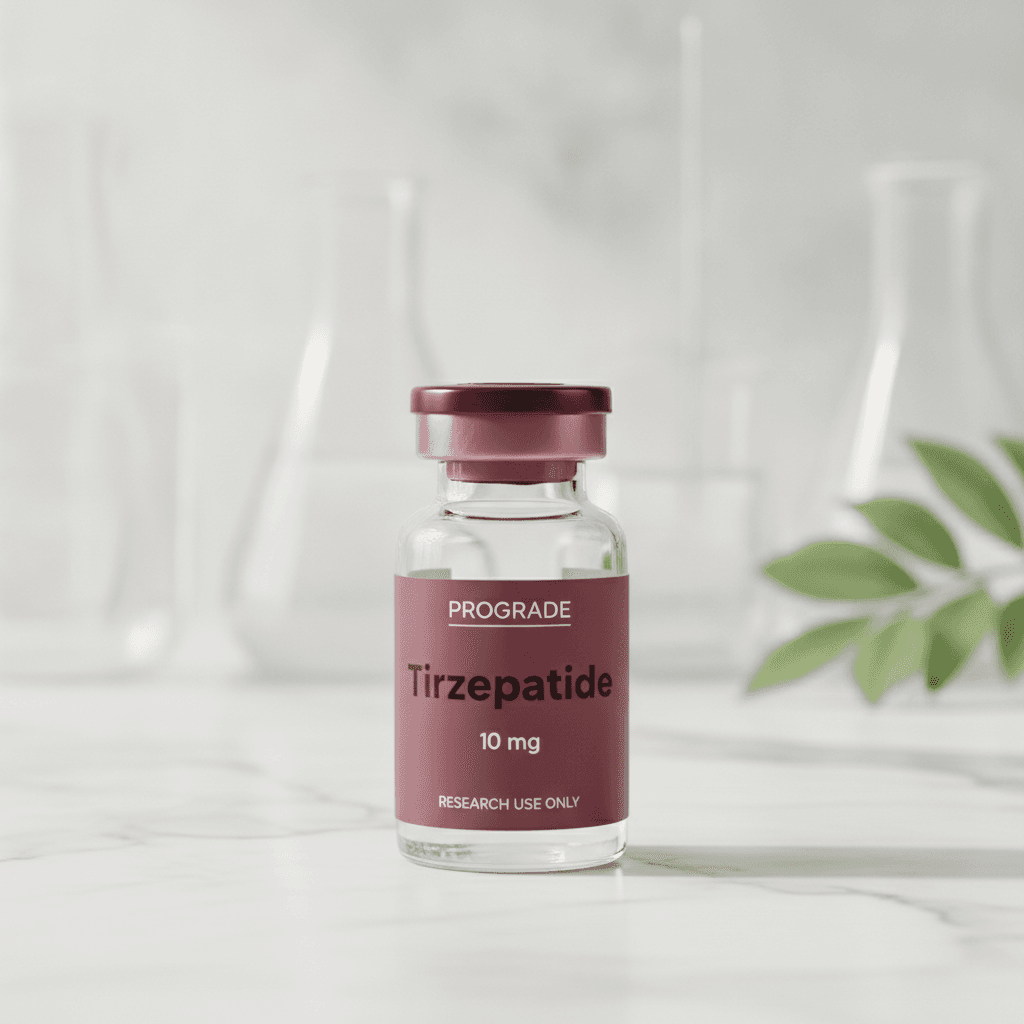
- Dual agonist — engages GLP-1 and GIP together; tirzepatide is the canonical example (a 'twincretin').
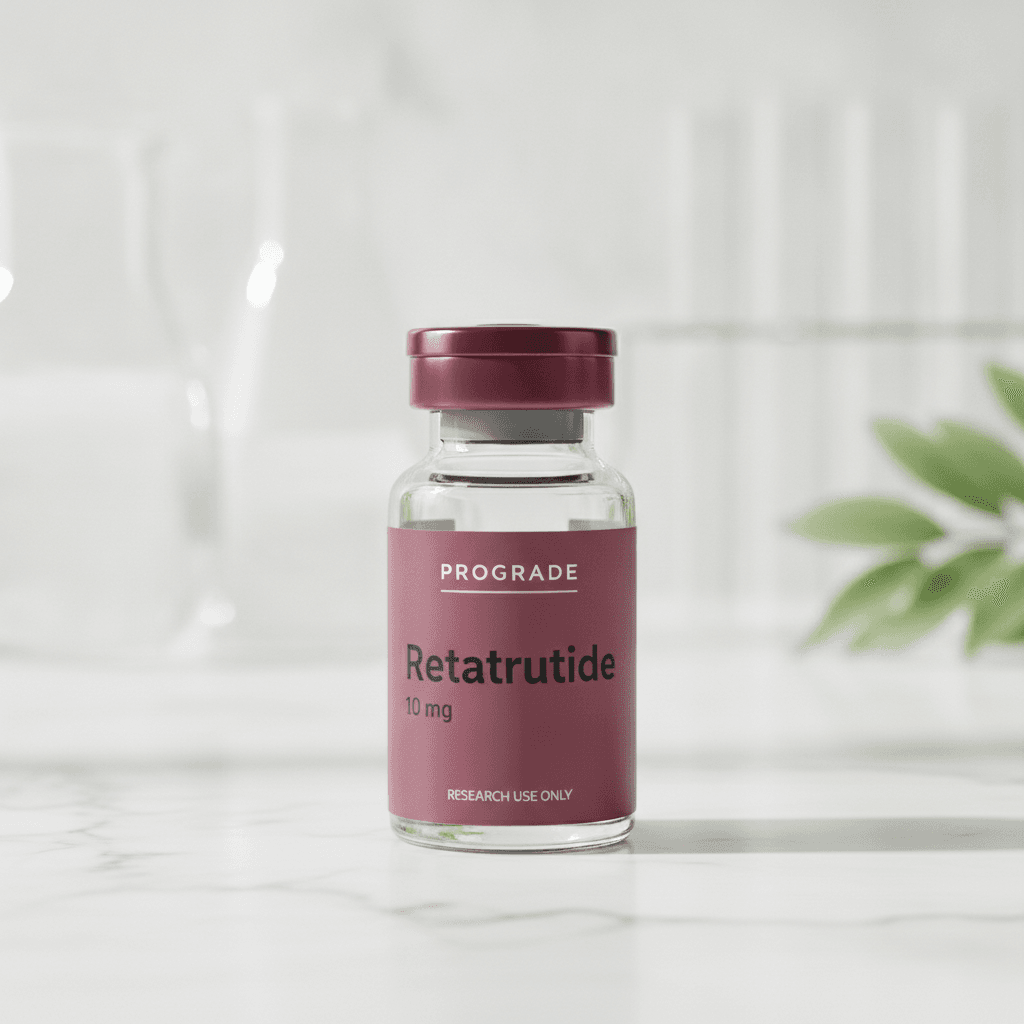
- Triple agonist — adds glucagon-receptor activity as a third target; retatrutide is studied here.
Why researchers study them side by side
Because these compounds differ only in how many receptors they engage, they make natural reference points for one another. Studying a single-, dual-, and triple-agonist compound together lets researchers isolate what each additional receptor contributes — which is exactly why a well-stocked metabolic research program keeps several on hand.
In ProGrade's catalog, tirzepatide (dual) and retatrutide (triple) anchor the incretin family under MODE-M · Metabolic, each supplied at ≥99% purity with per-batch COA access. Reading the dedicated tirzepatide and retatrutide overviews next is the fastest way to go one level deeper on each.
Research use only
This article is provided for educational and informational purposes and summarizes published laboratory and preclinical research. All ProGrade Peptides products are sold strictly for in-vitro laboratory and research use only (RUO). Nothing here is medical advice, a therapeutic claim, or a protocol for human or animal use. These compounds are not intended to diagnose, treat, cure, or prevent any disease.
Frequently asked questions
GLP-1 is glucagon-like peptide-1 and GIP is glucose-dependent insulinotropic polypeptide. Both are incretins — gut-derived hormone signals involved in glucose handling and energy-balance signaling — and each acts through its own receptor.
It is a compound engineered to bind and activate the GLP-1 receptor. An agonist is a molecule that binds a receptor and switches it on, producing the downstream signal.
A dual agonist such as tirzepatide engages two receptors (GLP-1 and GIP). A triple agonist such as retatrutide adds glucagon-receptor activity as a third target.
No. Every incretin research compound in the ProGrade catalog is supplied strictly for in-vitro laboratory and research use only.