Most peptide catalogs are organized by chemical class, which forces you to already know the chemistry to find what you need. ProGrade organizes its catalog by research outcome instead, through the MODE system. This guide explains what each MODE stands for and why an outcome-first structure makes a research catalog easier to navigate.
Key takeaways
- 1.MODE is ProGrade's outcome-first way of organizing the research catalog.
- 2.MODE-M (Metabolic), MODE-R (Recovery), MODE-L (Longevity), and MODE-P (Performance) map to research goals.
- 3.A fifth grouping, Essential Supply, holds preparation tools like bacteriostatic water.
- 4.Every compound remains research-use-only; MODE describes the research context, not a therapeutic use.
Why organize by outcome instead of chemical class
A traditional peptide catalog lists compounds by chemical family — you have to already know that tirzepatide is an incretin agonist to find it under the right heading. That is fine for specialists but slow for anyone approaching a research area by the question they want to study.
MODE flips the structure. It groups compounds by the research outcome they are studied for, so you can start from the research goal and see the relevant compounds together. It is the same catalog of ≥99%-purity compounds, organized around how research programs actually think.
MODE starts from the research question, not the chemistry — so you can find compounds by the outcome you are studying.
The four research MODEs
Each MODE corresponds to a major area of peptide research, and every compound in the catalog is assigned to one.
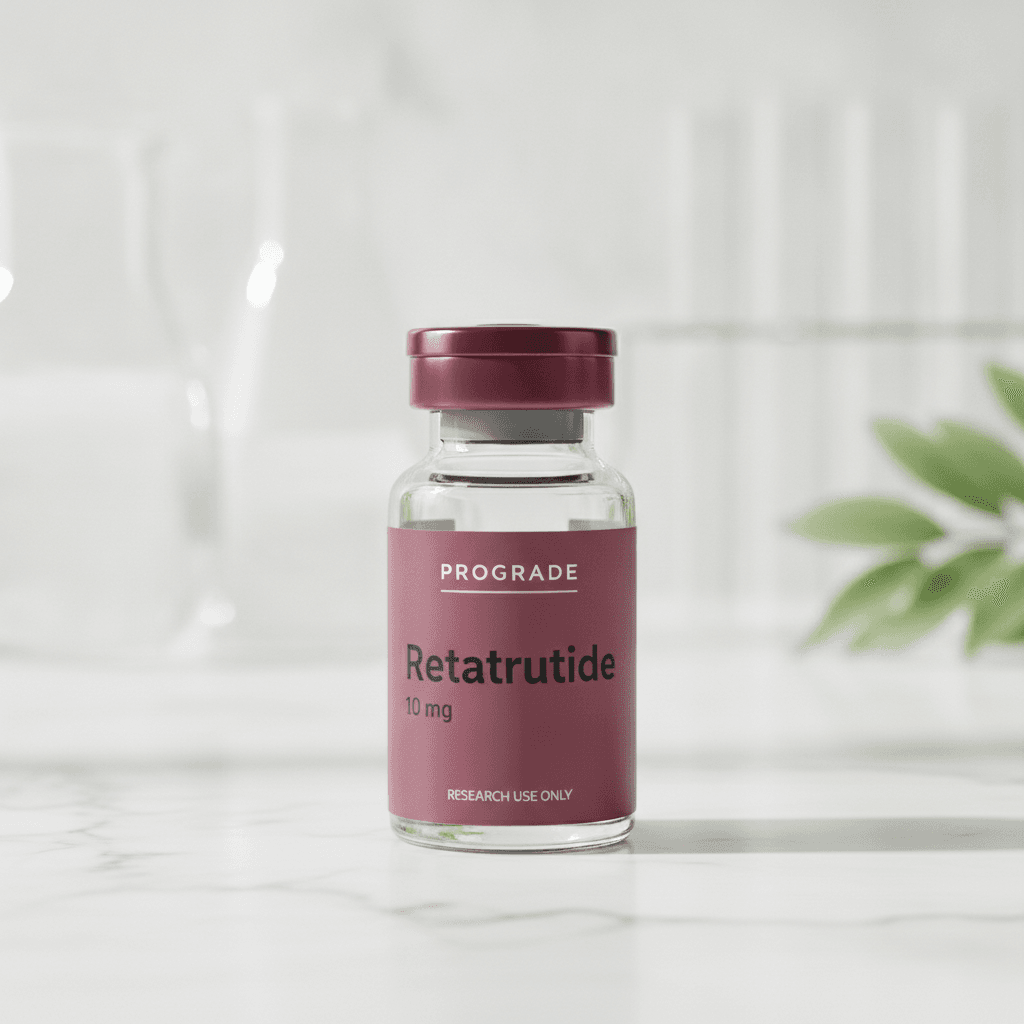
- MODE-M · Metabolic — fat-loss and metabolic-signaling research: incretin agonists (retatrutide, tirzepatide), amylin analogs (cagrilintide), GHRH analogs (tesamorelin).
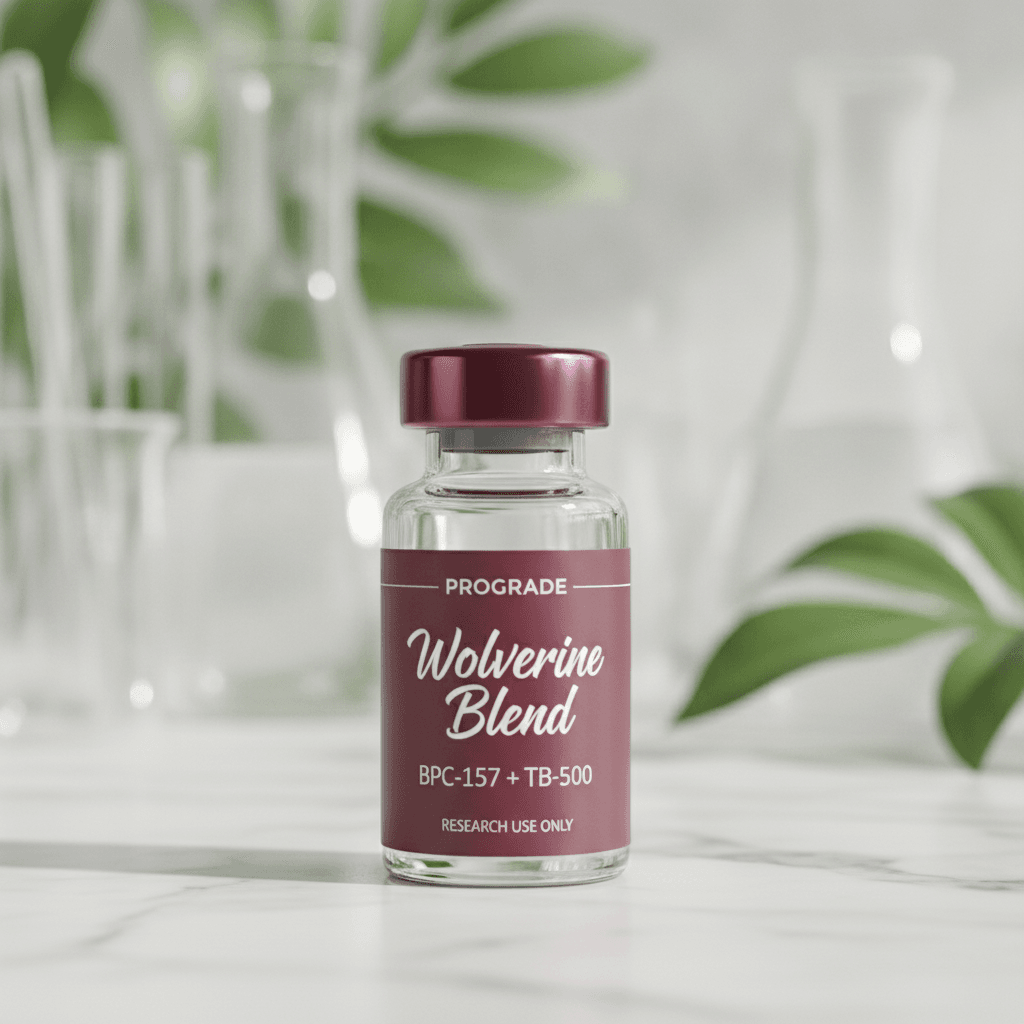
- MODE-R · Recovery — tissue-repair and regeneration research: BPC-157 / TB-500 blends and collagen-pathway compounds.
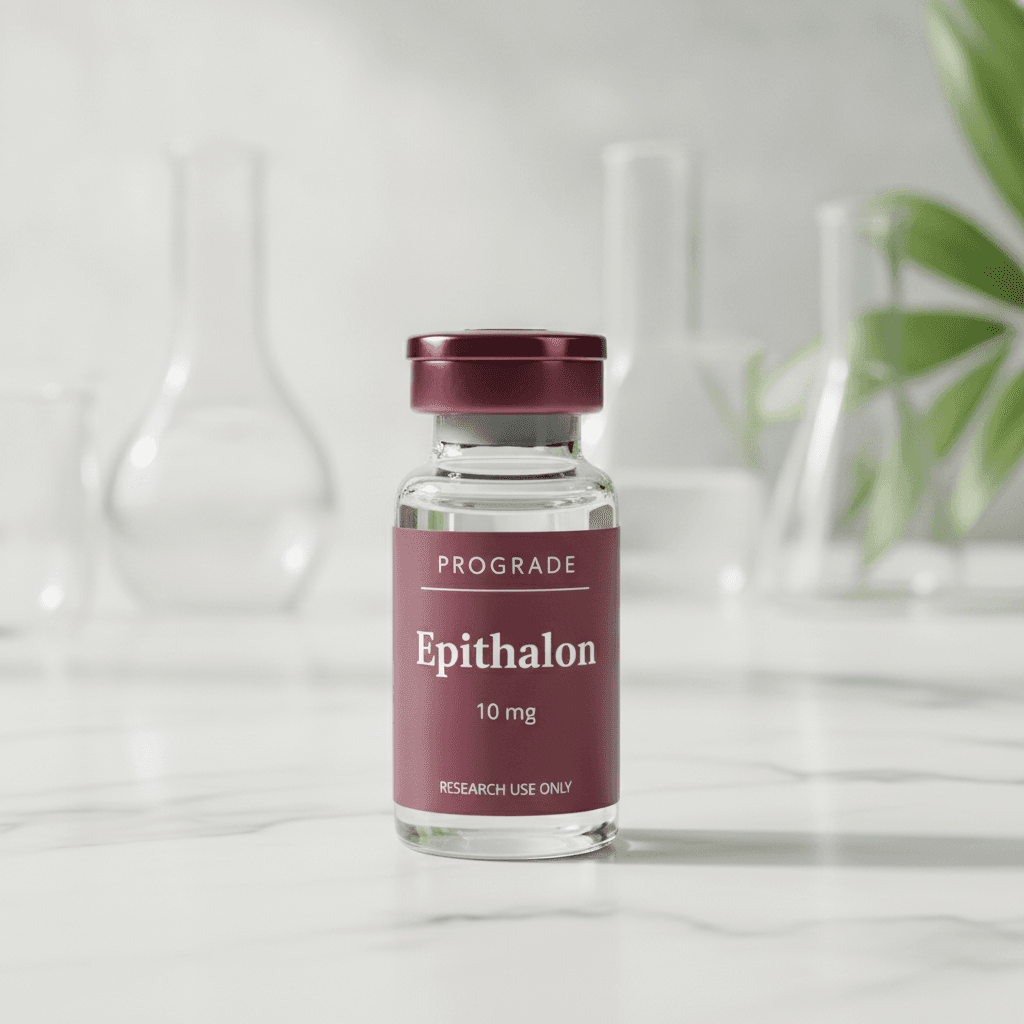
- MODE-L · Longevity — cellular-aging research: epithalon, NAD+, glutathione, GHK-Cu.
- MODE-P · Performance — hormone-axis and neuro research: growth hormone, PT-141, Selank, Semax, and related compounds.
Essential Supply: the fifth grouping
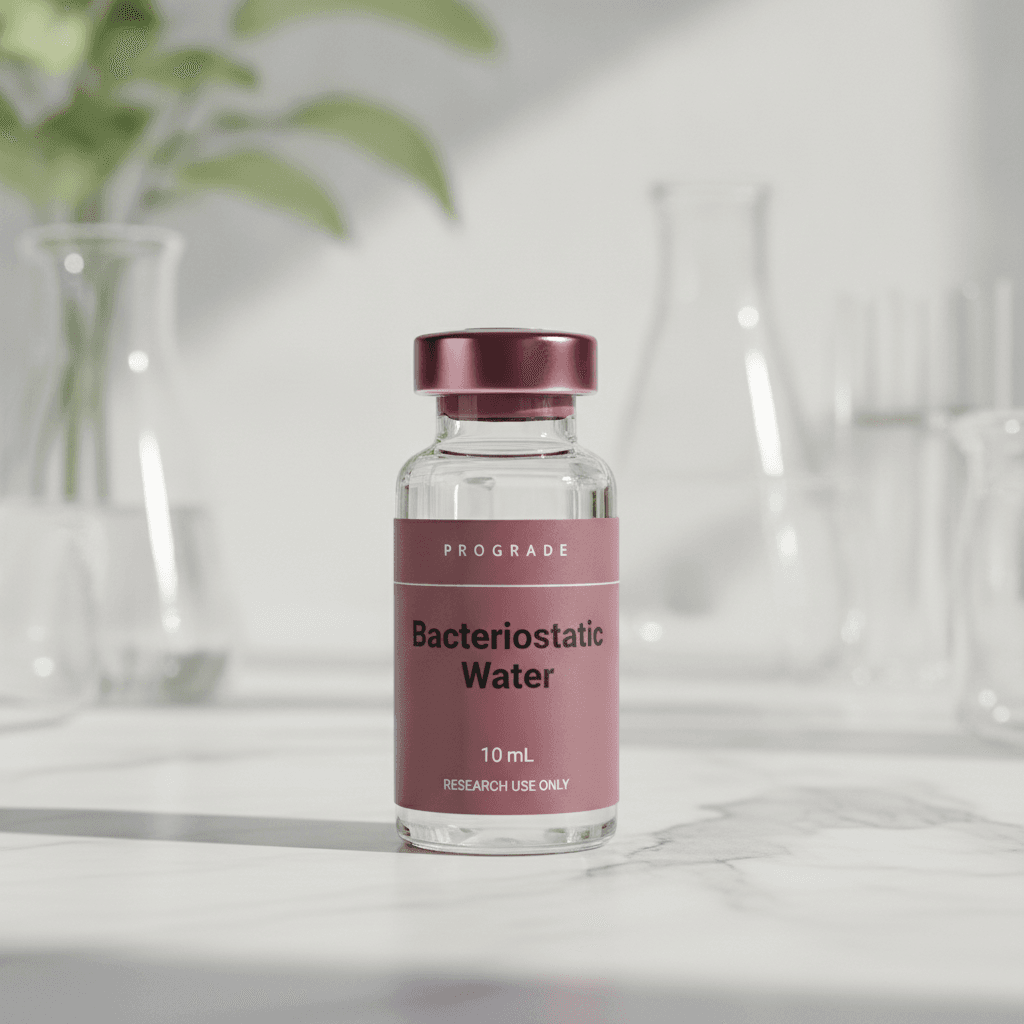
Alongside the four research MODEs sits Essential Supply — the tools that support the research itself rather than a compound under study. The primary item here is bacteriostatic water, the standard solvent for preparing every lyophilized compound in the catalog.
Keeping the solvent in its own clearly labeled grouping means the preparation companion is always one step away from the compound it pairs with, without cluttering the outcome-based MODEs.
MODE and research-use framing
It is worth being precise: a MODE describes the research context a compound is studied in, not a claimed effect in humans or animals. "MODE-M · Metabolic" means the compounds are studied in metabolic research — it is not a statement that they produce any outcome outside of a laboratory setting.
This outcome-first-but-research-only framing is deliberate. It makes the catalog easy to navigate by research goal while keeping every compound squarely within its research-use-only designation.
Research use only
This article is provided for educational and informational purposes and summarizes published laboratory and preclinical research. All ProGrade Peptides products are sold strictly for in-vitro laboratory and research use only (RUO). Nothing here is medical advice, a therapeutic claim, or a protocol for human or animal use. These compounds are not intended to diagnose, treat, cure, or prevent any disease.
Frequently asked questions
MODE-M is Metabolic, MODE-R is Recovery, MODE-L is Longevity, and MODE-P is Performance. A fifth grouping, Essential Supply, holds preparation tools.
Organizing by research outcome lets you start from the research goal rather than needing to know the chemistry first, which makes the catalog faster to navigate for a research program.
No. A MODE describes the research context a compound is studied in, not a claimed effect in humans or animals. All compounds remain research-use-only.
Essential Supply holds research tools rather than study compounds — primarily bacteriostatic water, the standard solvent for preparing lyophilized peptides.