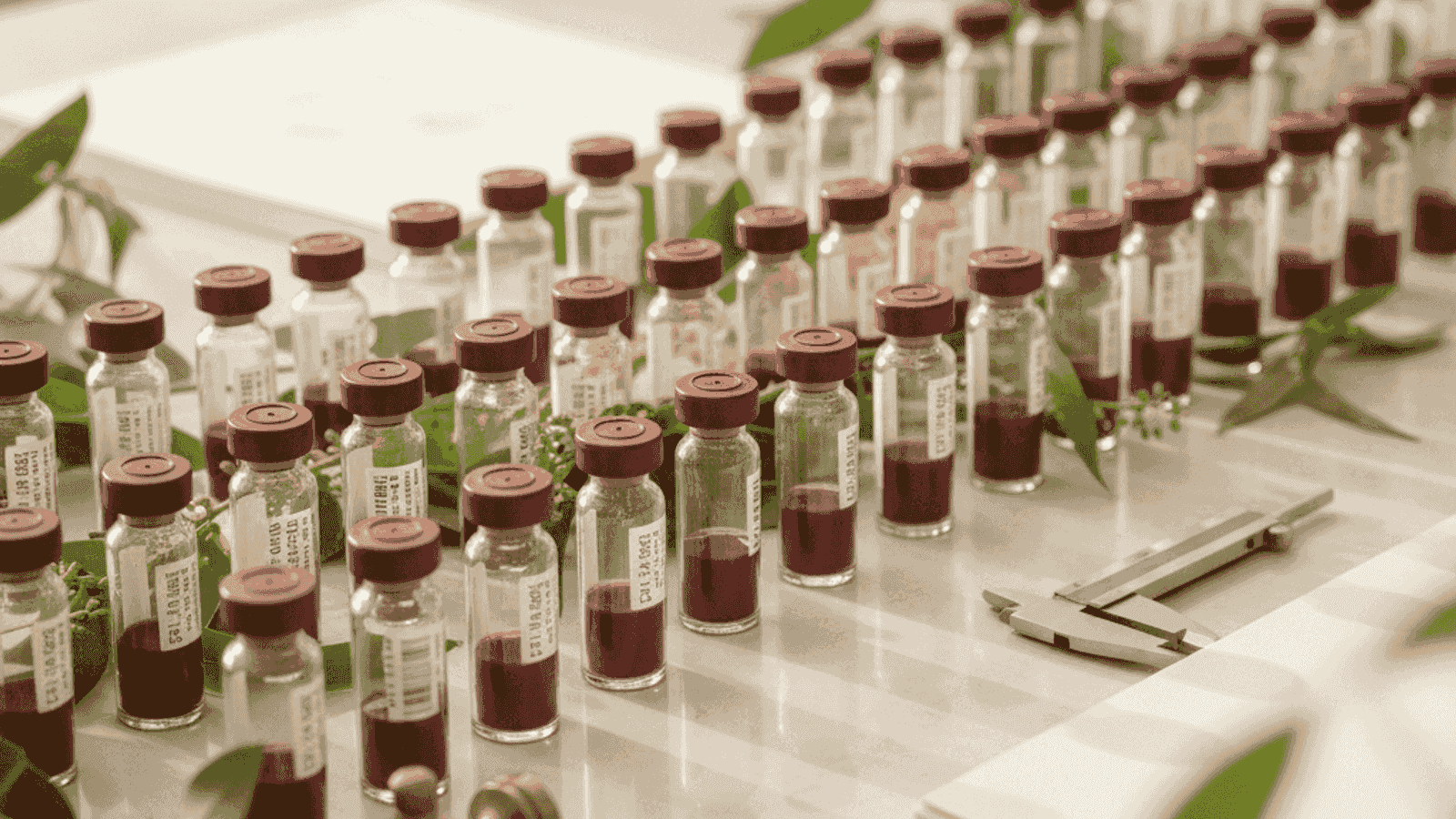
The fastest way to get lost in a peptide catalog is to browse by chemical class before you know the chemistry. A more useful starting point is the research question: what outcome are you studying? This guide lays out a goal-first framework for choosing research compounds — the same logic behind ProGrade's MODE system — so you can move from a research area to the relevant compounds without needing to memorize mechanisms first.
Key takeaways
- 1.Choosing by research goal means starting from the outcome you want to study, then narrowing to compounds.
- 2.The four major research areas map to MODE-M (metabolic), MODE-R (recovery), MODE-L (longevity), and MODE-P (performance).
- 3.Within each area, compounds differ by mechanism — the second question after the goal.
- 4.Every compound is supplied for in-vitro laboratory research use only.
Why goal-first beats chemistry-first
A traditional catalog is organized by chemical family, which assumes you already know that, say, tirzepatide is an incretin agonist. That is efficient for specialists and slow for everyone else. Starting from the research goal inverts the problem: you name the outcome you're investigating, and the catalog surfaces the compounds studied in that context.
This is also how research programs actually think. A question about tissue repair, metabolic signaling, or cellular aging is the starting point; the specific compound is a downstream choice. Organizing the catalog around the goal keeps the tool aligned with the way the work is planned.
Name the research outcome first; the compound is a downstream choice. That is the logic behind organizing a catalog by goal.
The four research areas
Most peptide research clusters into four broad areas, and ProGrade's MODE system maps directly onto them. Identifying which area your question sits in is the first cut.
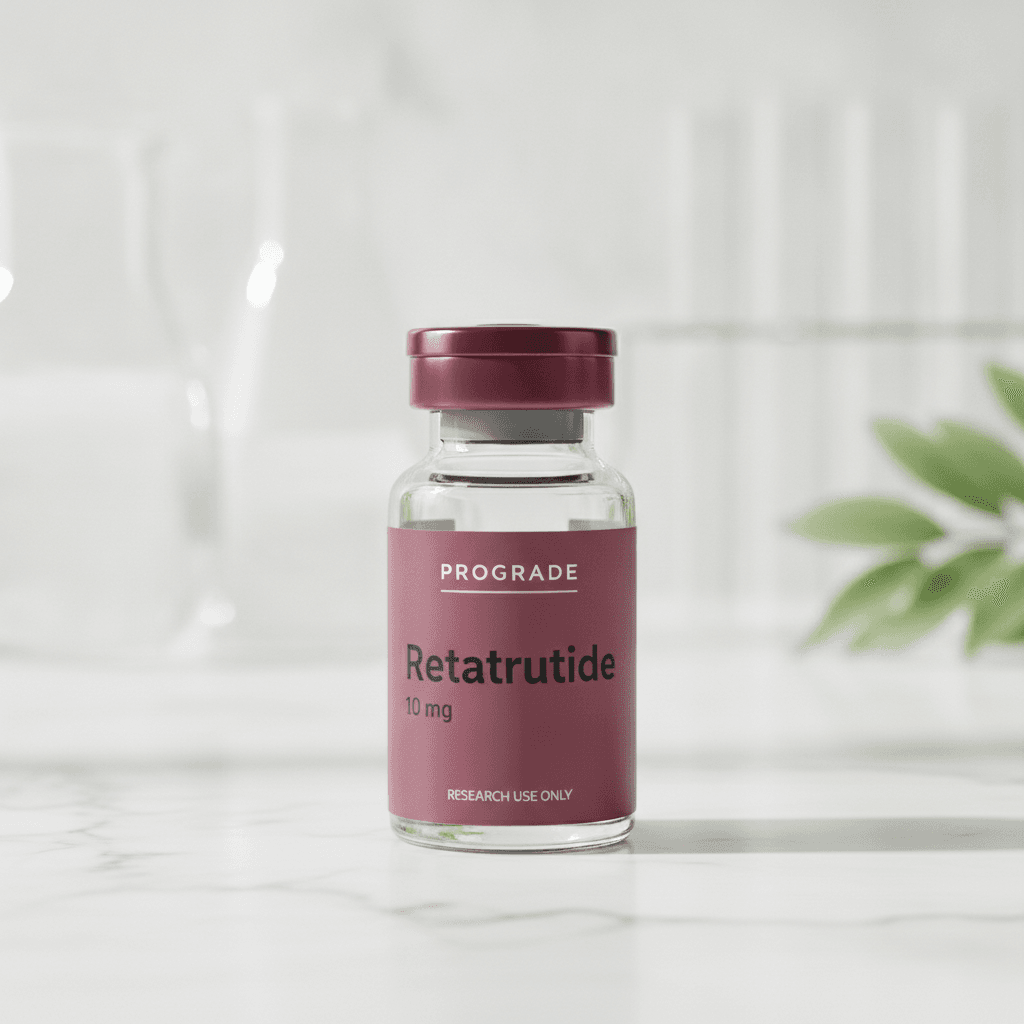
- MODE-M · Metabolic — glucose, energy balance, and body-composition research: incretin agonists (retatrutide, tirzepatide), amylin analogs (cagrilintide), GHRH analogs (tesamorelin).
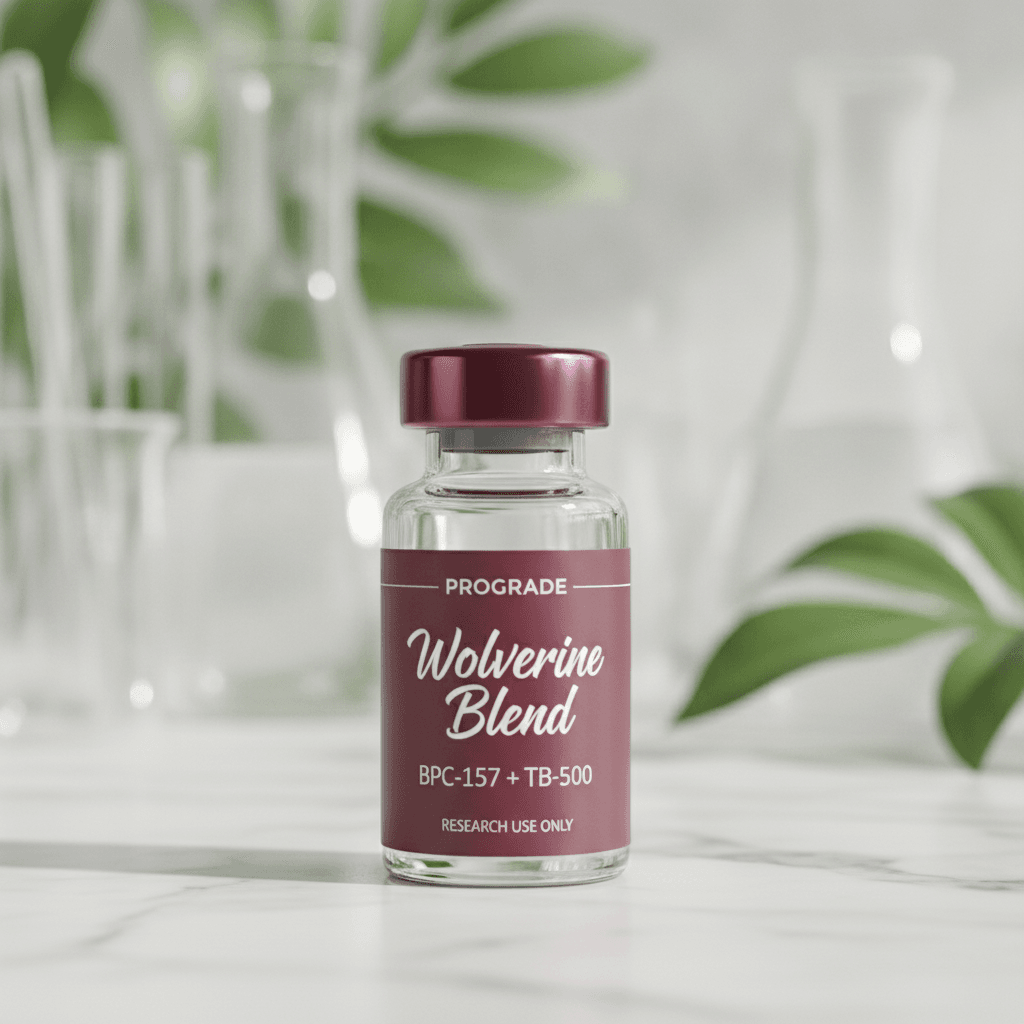
- MODE-R · Recovery — tissue repair and regeneration research: BPC-157 / TB-500 blends and collagen-pathway compounds like GHK-Cu.
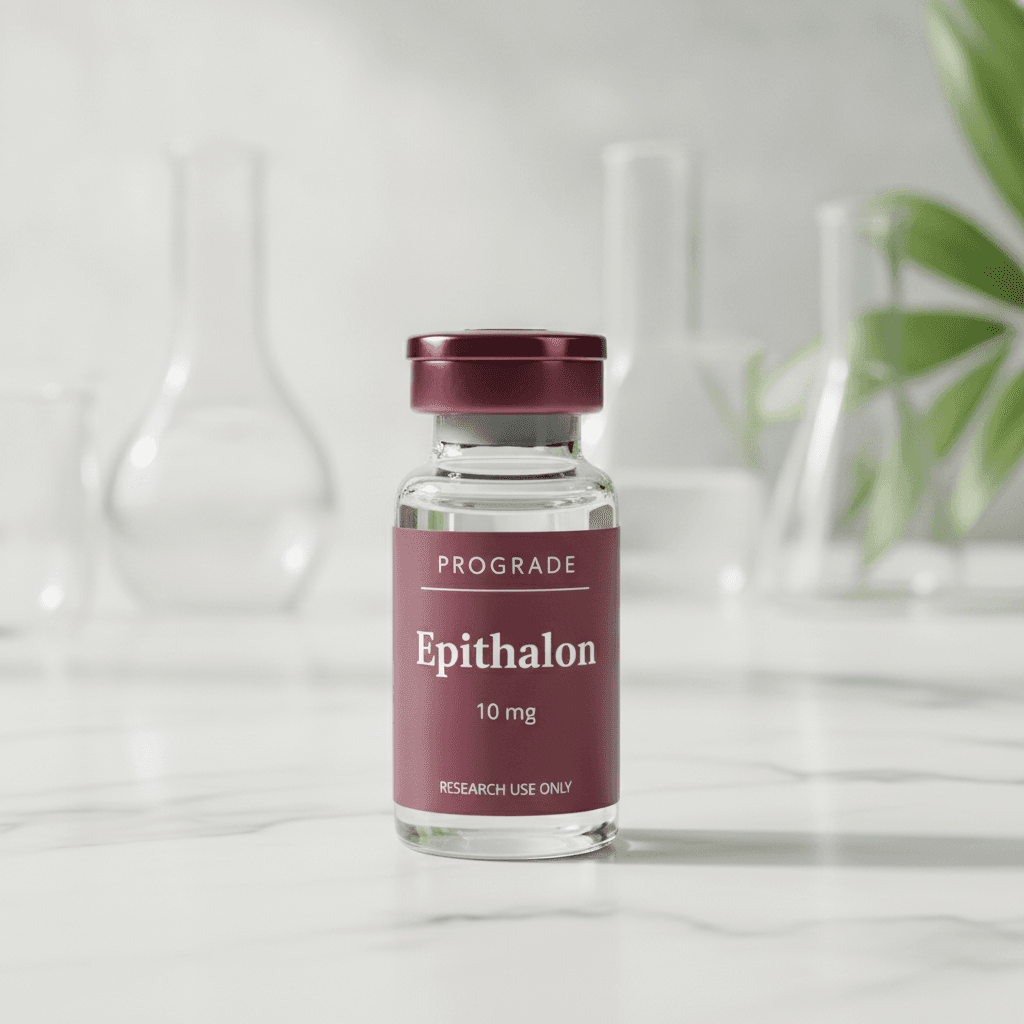
- MODE-L · Longevity — cellular-aging research: epithalon, NAD+, glutathione.
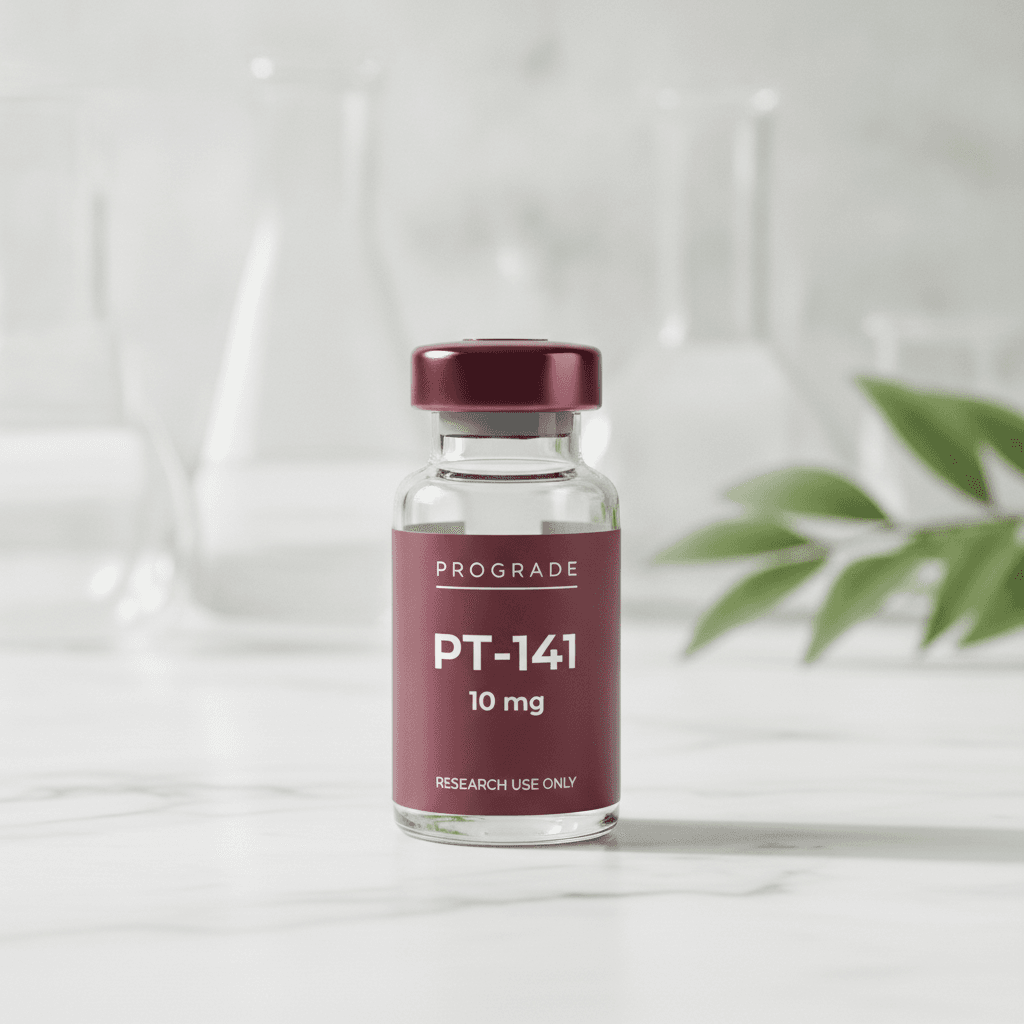
- MODE-P · Performance — hormone-axis and neuro research: growth hormone, PT-141, Selank, Semax.
Narrowing within an area: mechanism
Once you've located the research area, the second question is mechanism. Within metabolic research, for instance, compounds differ by how many receptors they engage — single-agonist, dual-agonist (tirzepatide), and triple-agonist (retatrutide) — plus separate axes like amylin analogs and GHRH analogs. Within recovery, BPC-157 is studied around vascularization while TB-500 centers on cell migration.
This two-step move — area first, mechanism second — is what lets you assemble a coherent set of compounds rather than a random handful. Studying compounds across a mechanism spectrum (single vs. dual vs. triple, for example) is often more informative than any one in isolation.
Using shop-by-goal in the catalog
ProGrade's catalog supports this directly: you can shop by the research outcome you're studying and see the relevant compounds grouped together, each documented at ≥99% purity with per-batch COA access. The MODE grouping and the goal tags are the entry point that turns a research question into a shortlist.
If you're new to an area, the featured field guides — such as the metabolic-research and longevity overviews — are the fastest orientation, and each links straight to the compounds it discusses. Start from the goal, read the field guide, then narrow by mechanism.
Research use only
This article is provided for educational and informational purposes and summarizes published laboratory and preclinical research. All ProGrade Peptides products are sold strictly for in-vitro laboratory and research use only (RUO). Nothing here is medical advice, a therapeutic claim, or a protocol for human or animal use. These compounds are not intended to diagnose, treat, cure, or prevent any disease.
Frequently asked questions
Start from the research outcome you want to study — metabolic, recovery, longevity, or performance — and use the catalog's goal grouping to surface the relevant compounds. Mechanism is the second question, after you've located the research area.
MODE-M is metabolic research, MODE-R is recovery/tissue-repair research, MODE-L is longevity/cellular-aging research, and MODE-P is performance (hormone-axis and neuro) research. They correspond to the four major research areas.
It depends on the question, but comparing compounds across a mechanism spectrum — for example single-, dual-, and triple-agonist metabolic compounds — is often more informative than studying one in isolation, because it isolates the contribution of each variable.
No. Every compound in the ProGrade catalog is supplied strictly for in-vitro laboratory and research use only.