A research peptide can arrive at ≥99% purity and still be compromised by the time it is used if it is stored carelessly. Peptides are sensitive molecules, and temperature, light, and moisture are the variables that determine how well they hold up. This is a general, educational overview of storage and handling practice for the laboratory — how lyophilized and prepared compounds differ, and what keeps them stable.
Key takeaways
- 1.Lyophilized (freeze-dried) peptides are the most stable form and store well refrigerated or frozen.
- 2.Once prepared, a peptide's working shelf life is shorter and it should be kept refrigerated and protected from light.
- 3.Heat, light, and repeated freeze-thaw cycles are the main enemies of peptide integrity.
- 4.Good labeling and cold-chain discipline are what keep research reproducible.
Storing lyophilized peptides
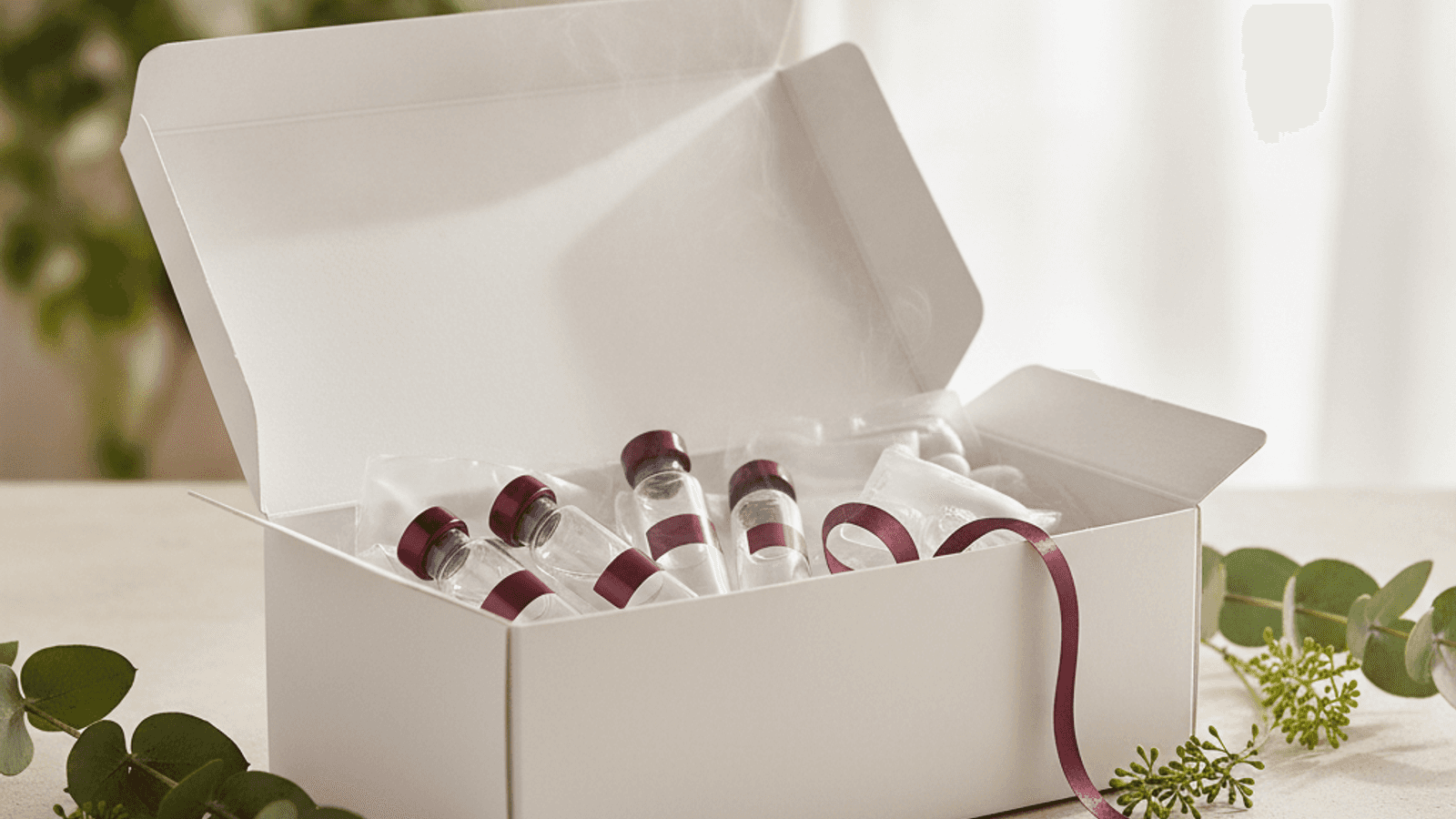
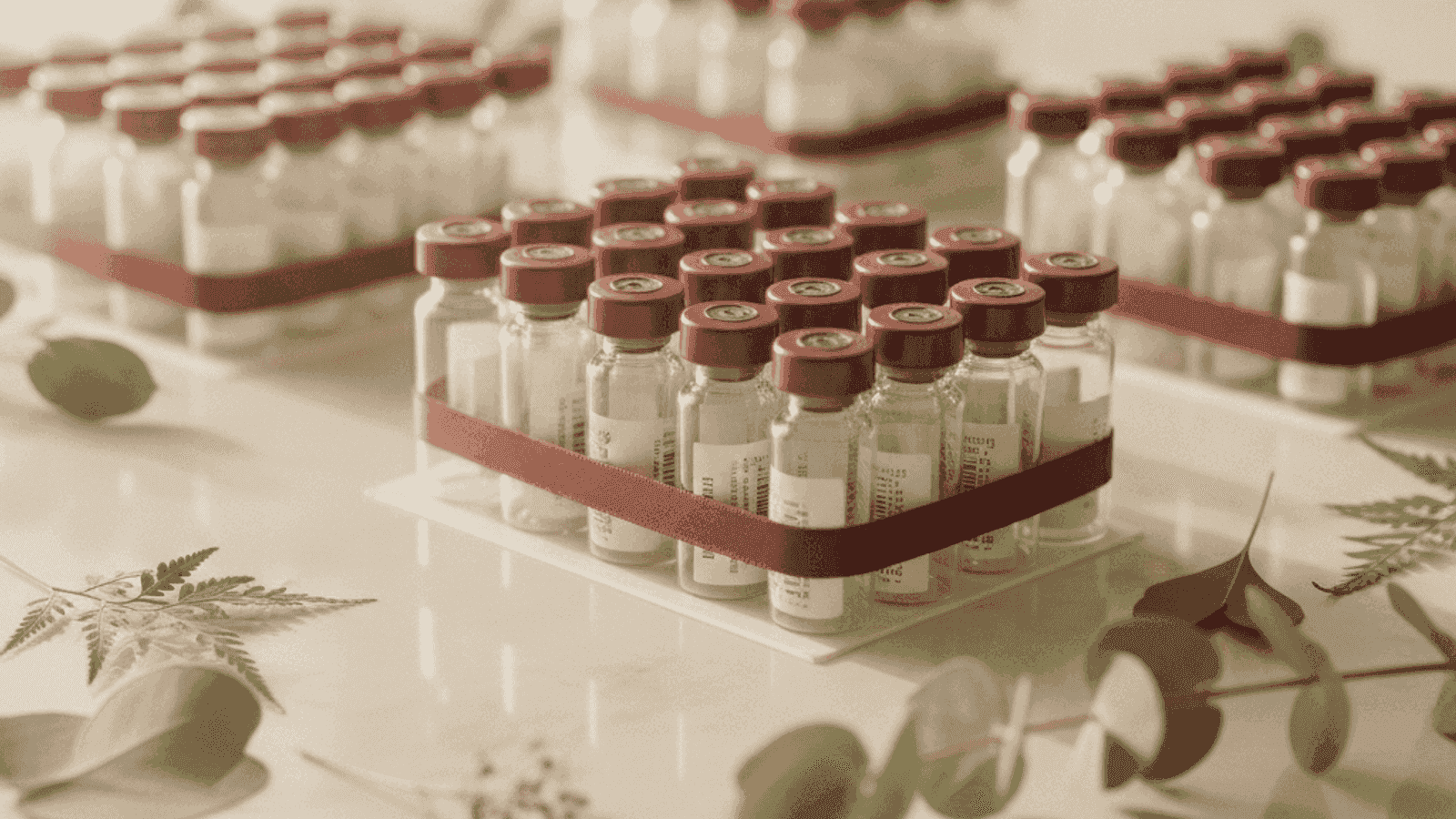
Most research peptides ship as a lyophilized powder — freeze-dried under vacuum — precisely because the dry form is far more stable than a solution. In this state the compound is at its most robust, and a sealed lyophilized vial can typically be refrigerated for near-term storage and frozen for the long term.
The practical rules are consistent across compounds: keep vials sealed until use, refrigerate for storage you'll draw on soon, and freeze for extended storage. Protecting the vial from light and keeping it dry preserves the powder in the condition it was manufactured in.
- Near-term: refrigerate sealed lyophilized vials (typically 36–46°F)
- Long-term: freeze for extended storage
- Always: protect from light and moisture; keep sealed until use
Storing prepared peptides
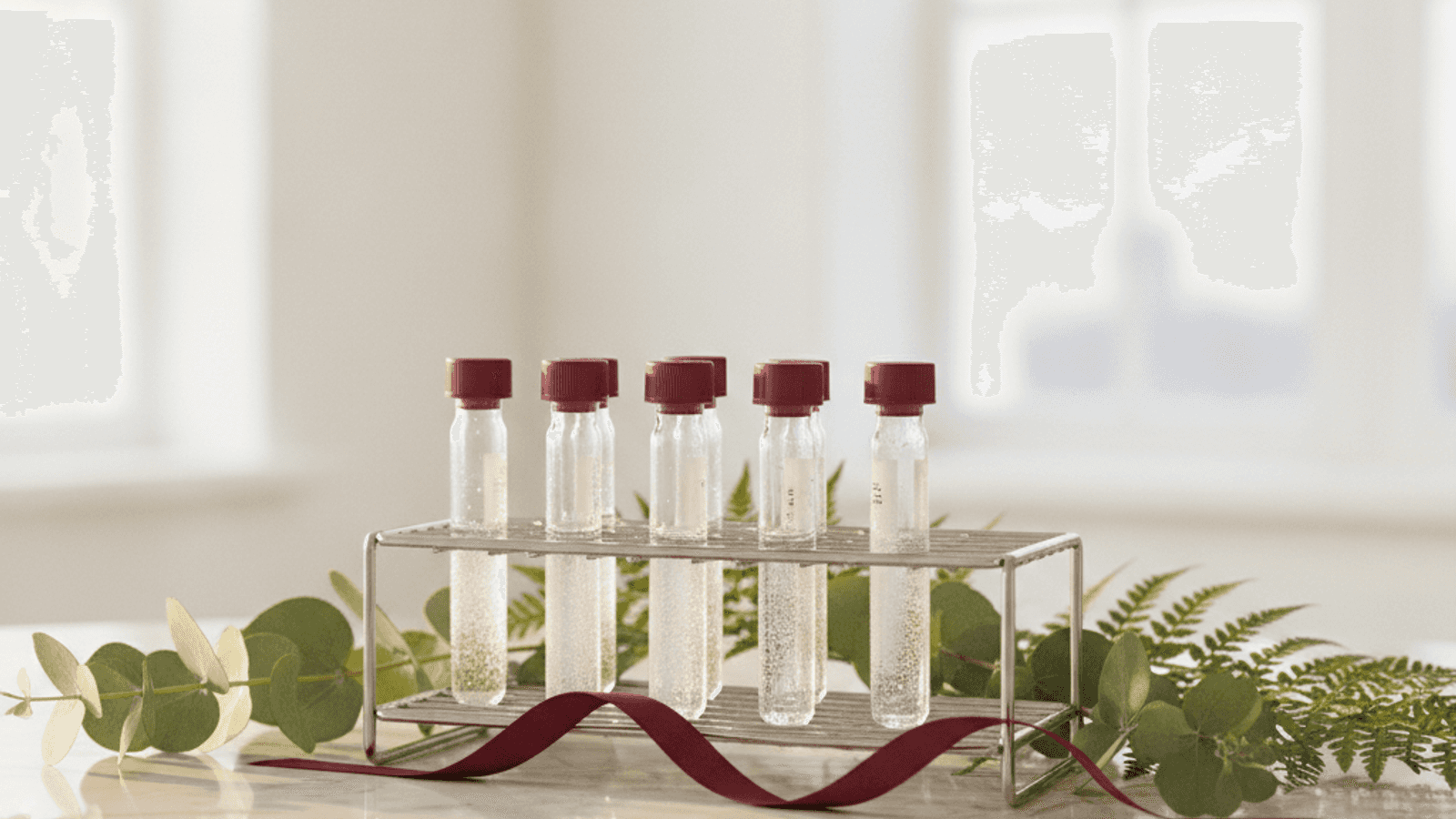
Once a peptide is prepared into solution, the clock changes. A dissolved peptide is inherently less stable than the dry powder, so its working shelf life is shorter and depends on the specific compound. Prepared vials are generally kept refrigerated and protected from light.
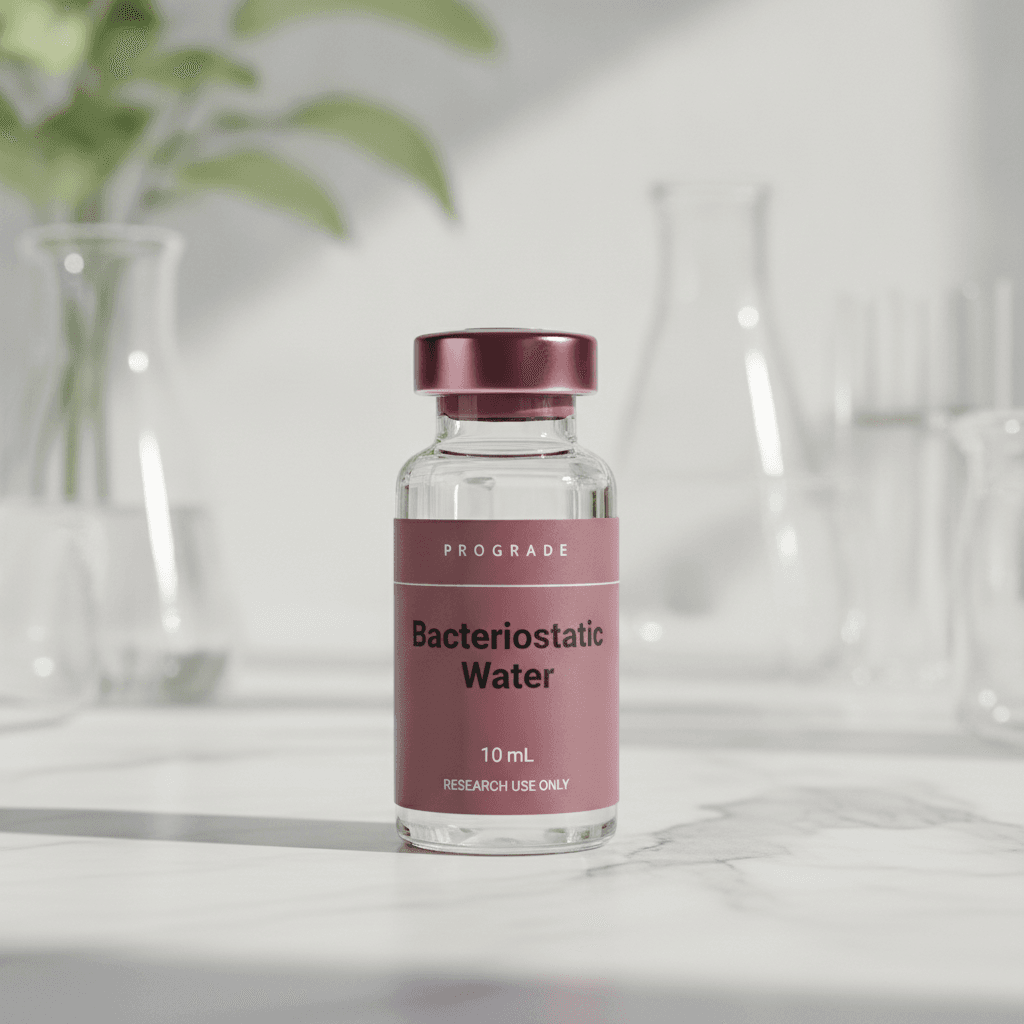
This is one reason bacteriostatic water is the conventional preparation solvent for multi-draw research vials: its 0.9% benzyl alcohol inhibits bacterial growth over the days a solution is in use. Even so, a prepared vial is a more perishable thing than a sealed powder, and it should be treated as such.
Lyophilized powder is the stable form; the moment a peptide is in solution, its shelf life shortens and cold storage matters more.
The three enemies: heat, light, freeze-thaw
Three factors do most of the damage to peptide integrity. Heat accelerates degradation, which is why cold storage is the default and why compounds should not be left at room temperature longer than a protocol requires. Light — particularly UV — can drive breakdown, so amber vials and dark storage are common.
The third, less obvious enemy is repeated freeze-thaw cycling. Each time a solution is frozen and thawed it stresses the peptide, so the convention is to avoid needless cycles — for example by aliquoting a solution into smaller portions so only what's needed is thawed at a time, leaving the rest undisturbed.
Labeling and cold-chain discipline
The habits that keep research reproducible are unglamorous: label every vial with the compound, concentration, and preparation date; keep the cold chain unbroken from delivery to storage; and don't leave compounds out. A clearly dated, refrigerated vial removes ambiguity about a preparation's age and strength — which is exactly the kind of variable a rigorous study wants to eliminate.
ProGrade supplies each compound with storage guidance on the product page and pairs the catalog with bacteriostatic water under Essential Supply, so the preparation and storage companions are one step away from the compound they support.
Research use only
This article is provided for educational and informational purposes and summarizes published laboratory and preclinical research. All ProGrade Peptides products are sold strictly for in-vitro laboratory and research use only (RUO). Nothing here is medical advice, a therapeutic claim, or a protocol for human or animal use. These compounds are not intended to diagnose, treat, cure, or prevent any disease.
Frequently asked questions
Sealed lyophilized vials are typically refrigerated for near-term storage and frozen for the long term, always protected from light and moisture. The dry, freeze-dried form is the most stable state for a research peptide.
Shorter than the dry powder — the working shelf life of a prepared peptide depends on the specific compound and is generally measured in weeks under refrigeration, protected from light. Bacteriostatic water helps by inhibiting bacterial growth in multi-draw vials.
Each freeze-thaw cycle stresses the peptide and can accelerate degradation. Aliquoting a solution into smaller portions lets you thaw only what you need, leaving the rest undisturbed.
Yes. Each product page includes storage guidance, and bacteriostatic water is stocked under Essential Supply as the standard preparation companion. All compounds are for laboratory research use only.