≥99%
HPLC / MS
Per-lot
COA
Third-party
Verified testing
MODE-M · Metabolic
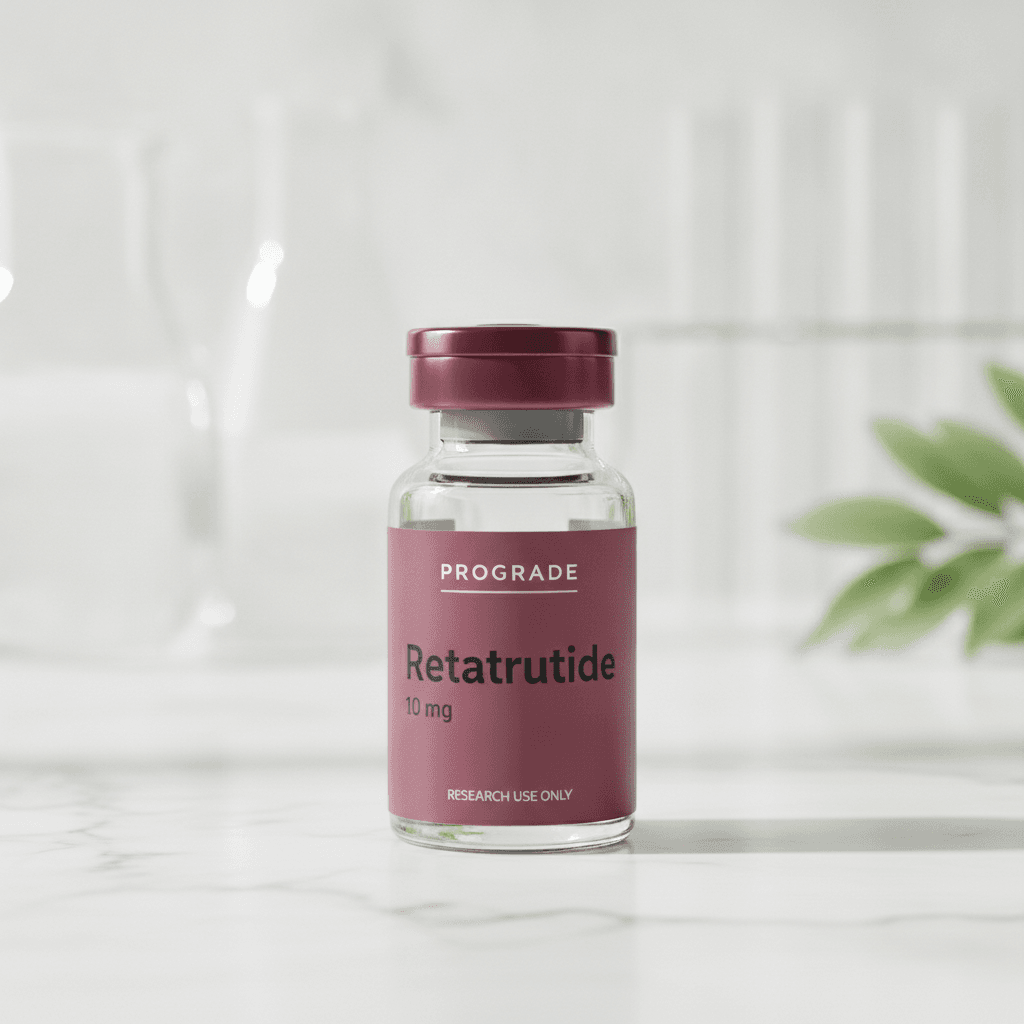
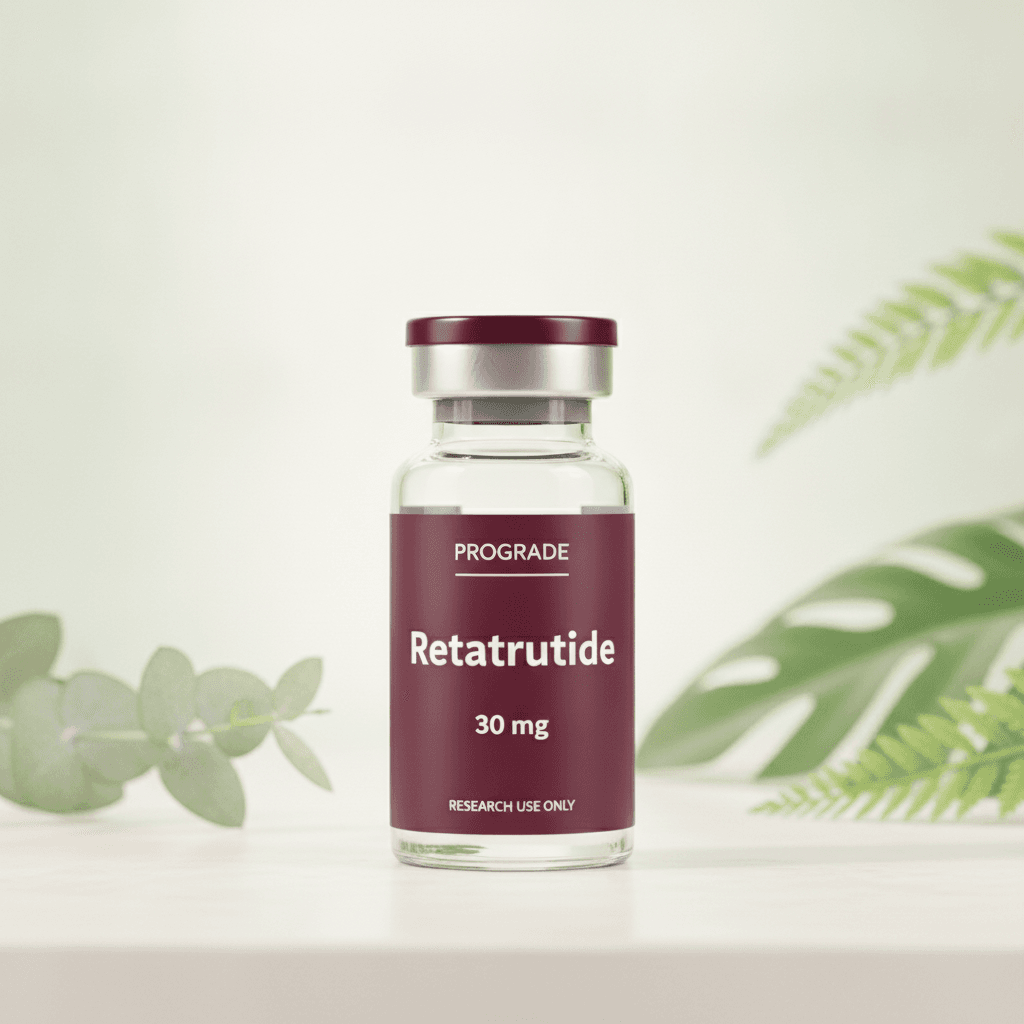
Retatrutide
The heavy hitter of fat-loss research — a triple-action metabolic compound (GLP-1 / GIP / glucagon).
GLP-1 / GIP / glucagon tri-agonist
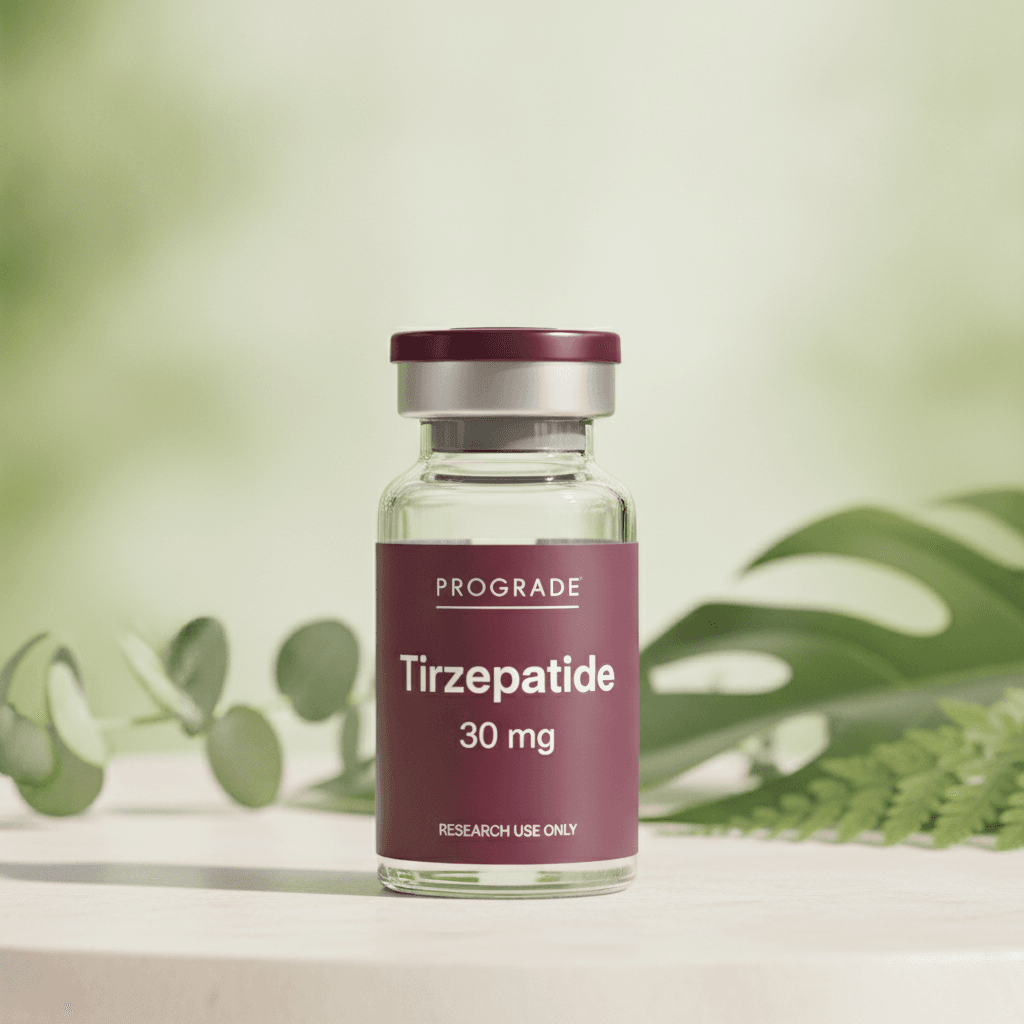
Higher-capacity 30 mg vial of the GLP-1 / GIP / glucagon tri-receptor agonist for extended research protocols.
Dose
Certificate of Analysis — batch-specific
Every lot is independently verified for identity (LC-MS) and purity (HPLC), with heavy-metals and endotoxin screening. The COA for your exact vial is available on request or in the library.
Pairs with
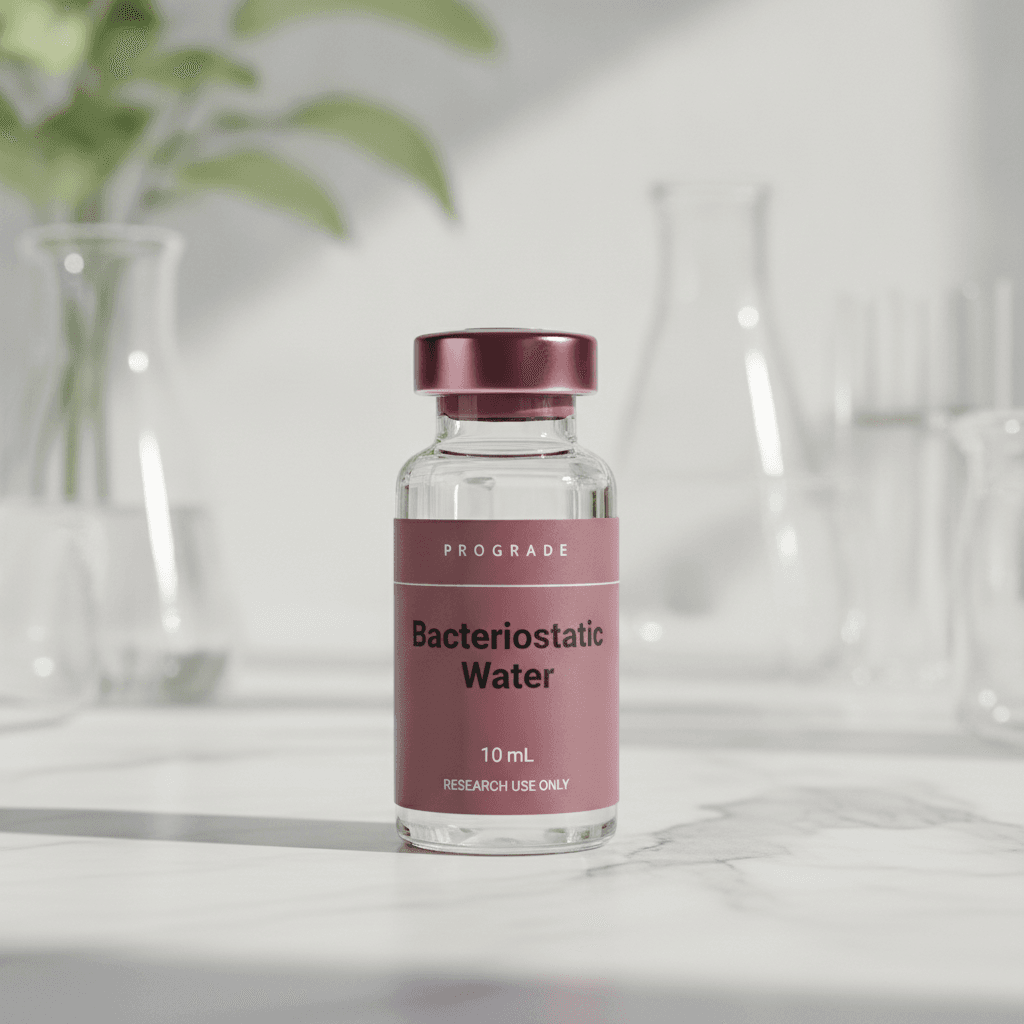
Bacteriostatic Water · 10 mL
Research-grade laboratory solvent.
Purity guarantee: if an independent HPLC test on your vial returns below spec, we refund the order and the cost of the test.
For research use only. Not for human consumption, diagnostic, or therapeutic use.
Third-party tested
Independent HPLC / MS analysis
Cold-chain handling
Temperature-aware packaging
Fast domestic shipping
Same/next-day dispatch, tracked
Secure checkout
Encrypted Stripe payments
Research summary
Higher-capacity 30 mg vial of the GLP-1 / GIP / glucagon tri-receptor agonist for extended research protocols.
Studied mechanism
GLP-1 / GIP / glucagon tri-agonist
Provided as reference information for qualified researchers. ProGrade makes no therapeutic, diagnostic, or performance claims.
Specifications
| Compound | Retatrutide |
|---|---|
| Format / fill | 30 mg |
| Purity standard | ≥99% (HPLC / MS) |
| Analysis | HPLC (purity) + LC-MS (identity), independent third-party laboratory |
| Research category | MODE-M · Metabolic |
| Storage | Store lyophilized vials refrigerated (36–46°F); freeze for long-term. Protect from light. |
| Intended use | Laboratory research use only (RUO) |
Storage & handling
Store lyophilized vials refrigerated (36–46°F); freeze for long-term. Protect from light.